Silk Bedding Guide
How Gingerlily’s Seasonal Duvet Weights Suit Different Sleepers
A duvet that feels wonderfully cosy to one person can be much too warm for another. Gingerlily’s seasonal silk-filled options are designed to give sleepers a choice, from lighter warmth for summer nights to a more insulating winter weight. The best match depends on more than the calendar: room temperature, bedding layers and individual habits all matter.
Published 23 November 2026
Why duvet weight is personal
Choosing a duvet is often treated as a simple seasonal decision: use a light one when it is warm and a heavier one when temperatures fall. That is a useful starting point, but it does not tell the whole story. People experience warmth differently. Some sleepers feel comfortable beneath a substantial layer, while others wake hot even when the bedroom seems cool. A shared bed adds another variable, particularly when one person wants more insulation than the other.
Gingerlily’s range of silk-filled comforters offers a way to think about warmth in manageable steps. The seasonal options include a lightweight summer weight, an all-seasons weight, a winter weight and a half-summer, half-all-seasons design. Rather than assuming one duvet will suit every bedroom and sleeper, it helps to consider each option as part of a flexible bedding routine.
Silk filling is valued for its light feel and ability to help manage warmth and moisture. Those qualities can make a silk duvet appealing to people who dislike a heavy, stuffy covering. They do not, however, make every silk comforter equally cool or equally warm. Construction and weight still count, and the comforter’s shell, cover and surrounding bedding contribute to the overall feel.
Summer weight: lighter coverage for warmer nights
A summer duvet is intended for nights when a winter-weight layer would feel excessive. Gingerlily’s summer-season silk-filled comforter is described as a lightweight option with a 2–4 tog equivalent. It has a cotton sateen shell and mulberry silk filling, and is designed to provide breathable warmth without the sensation of a bulky cover.
This can suit people who tend to sleep warm, prefer a lighter layer or find that their bedroom stays comfortable well into the warmer months. It may also be a useful choice for a heated home where indoor temperatures remain fairly steady, even when the weather outside changes. The right answer is not simply “summer duvet equals summer weather,” though. A cool bedroom, open windows or an individual’s preference for more coverage can make a light duvet feel too thin at any time of year.
Think about the full bed setup, too. A duvet cover adds another fabric layer, and a blanket or bedspread can make the arrangement warmer still. If you choose a summer weight, you may be able to adjust the feel with a breathable sheet or an optional light blanket rather than reaching immediately for a heavier insert. That makes it easier to adapt as the night cools.
Seasonal weights should not be treated as guarantees of a particular sleep temperature. Room conditions, personal comfort and bedding combinations all influence how warm a sleeper feels. A 2–4 tog equivalent is a helpful guide to the intended lightness of this option, but it is only one part of the decision.
All-seasons weight: a practical middle ground
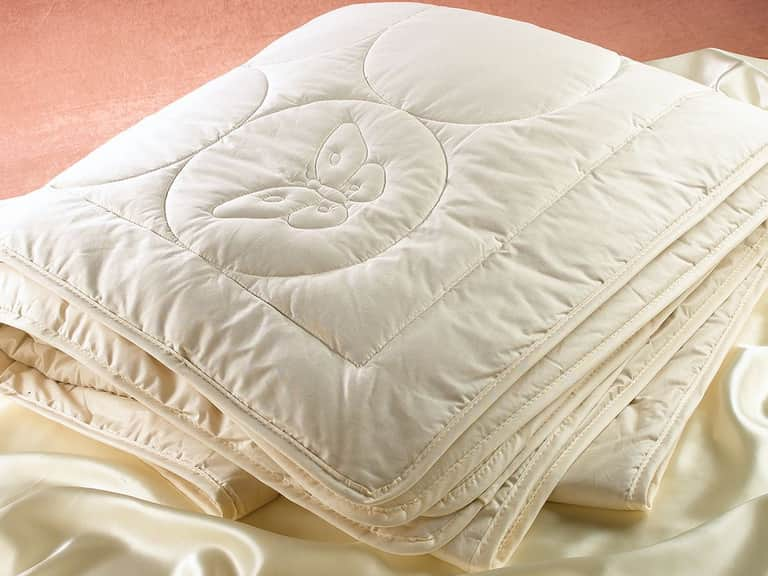
For many households, an all-seasons duvet is an appealing balance: more coverage than a summer option, without automatically moving to a dedicated winter weight. Gingerlily’s all-seasons silk-filled comforter is described as a year-round design filled with mulberry silk and enclosed in a cotton sateen shell. Its construction includes ties and buttons to help keep it in place when used with a duvet cover or layered with another weight.
An all-seasons choice may work well for people whose bedroom temperature is relatively consistent, or for those who want one main duvet rather than storing several seasonal pieces. It can also suit sleepers who like a moderate level of warmth and do not often feel unusually hot or cold at night. As with any bedding, “all-season” is a description of intended versatility, not a promise that the same comforter will feel ideal in every room throughout the year.
In the UK, bedroom conditions can differ considerably from one home to another. Insulation, heating habits, ventilation, window position and the location of a room in the house all influence overnight comfort. A well-heated flat may call for less bedding in January than a draughtier room, while a top-floor bedroom can remain warm during a summer spell. An all-seasons duvet is best judged against the conditions where it will actually be used.
If you are between weights, consider whether you are more bothered by feeling cold or by waking too warm. A sleeper who dislikes being overheated may prefer a lighter base layer and the option to add a blanket. Someone who feels cold easily may appreciate having a warmer comforter ready when the room temperature drops.
Winter weight: more insulation when the room cools
A winter duvet is intended to offer more warmth when lighter bedding no longer feels comfortable. Gingerlily’s winter-season silk-filled comforter has a stated 9–11 tog equivalent, with a mulberry silk filling and cotton sateen casing. Side and corner ties, along with buttons, allow it to be connected with another comforter for additional flexibility.
This option may appeal to people who feel cold at night, sleep in a cooler room or prefer a more enveloping layer in winter. It can also be helpful when the bedroom temperature drops noticeably overnight. But a winter label does not automatically make a duvet the right choice for every cold-weather sleeper. If the room is heated, or if you naturally sleep warm, a lighter weight may still feel more comfortable.
It is worth considering how a winter duvet will work with the rest of the bed. A thick duvet cover, flannel sheets, a blanket and warm nightwear can all add to the overall level of insulation. If you tend to overheat, keep the other layers simple before deciding the duvet itself is too warm. Conversely, if you still feel cold with a suitable winter weight, check for draughts and consider whether the duvet is the right size and fit for the bed.
Warmth should feel comfortable rather than restrictive. A heavier or warmer duvet is not necessarily better if it leaves you clammy, restless or reaching for the covers during the night. The goal is a balanced setup that makes it easy to settle and adjust.
A flexible option for shared beds
Couples often have different ideas about the perfect duvet. One person may want a light covering while the other prefers more warmth. Gingerlily’s half-summer, half-all-seasons comforter is designed with two different weights: a cooler summer side and a warmer all-seasons side. The arrangement is intended to offer distinct warmth preferences within one shared comforter.
This can be worth considering when one partner regularly feels too warm under a conventional duvet while the other finds the same bedding too light. Before choosing, think about how you normally sleep: do you stay on your own side, or do you move around and pull the duvet with you? A divided-weight design may work best when each sleeper can keep to their chosen side through the night.
Another approach is to use separate duvets on a shared bed, a common solution in some households. Each person can choose a weight suited to their own comfort, though the look and feel of the bed will differ from using one continuous cover. Alternatively, a lighter duvet with a separate blanket on one side can let the colder sleeper add warmth without changing the other person’s setup.
The best solution is the one that makes the bed comfortable for both people in practice. A conversation about nighttime preferences can be more useful than choosing a duvet based on one person’s habits alone.
Layering lets you adapt without guessing
Seasonal duvet weights are not the only way to manage changing temperatures. Layering can be a straightforward alternative, especially in a climate where nights may vary from week to week. A summer duvet paired with a removable blanket gives you options: keep the bed light on mild nights and add a layer when the room feels cooler.
Layering also helps households respond to changes in heating or ventilation. You might find that a room feels comfortable at bedtime but cools later in the night. A light coverlet within reach can provide extra warmth without requiring a heavy duvet throughout the evening. If the room is warm, removing a layer is usually easier than trying to cool down beneath an overly insulating bed.
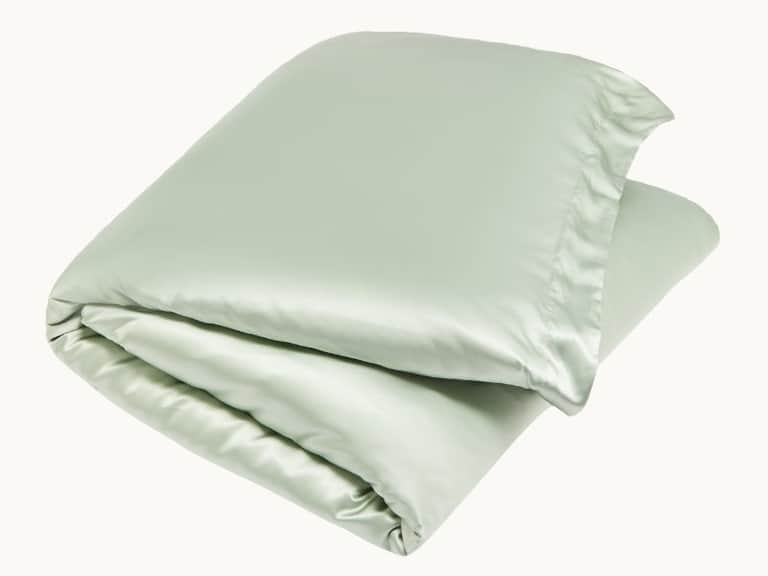
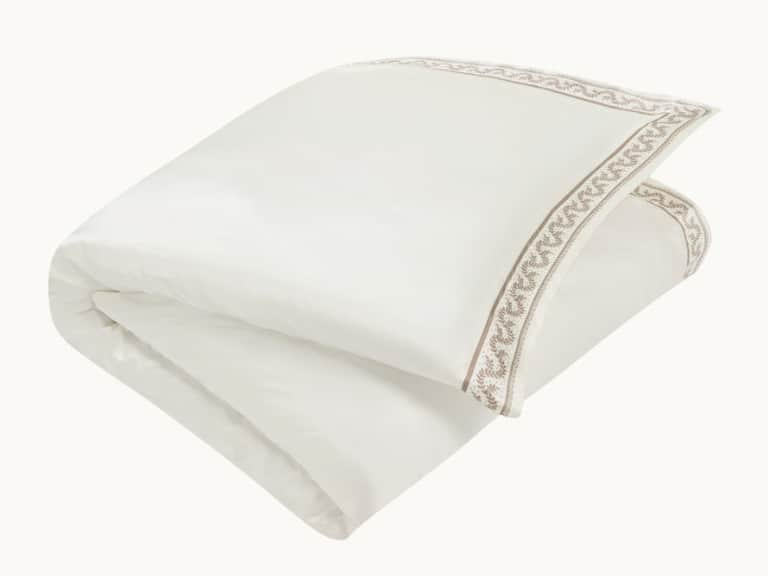
Different fabrics can affect the feel of layers against the body. A silk duvet cover, such as the Gingerlily Sage Silk Duvet Cover or Fern Vine Silk Duvet Cover, is a cover rather than a filled comforter, so it does not determine the duvet’s warmth by itself. It can, however, influence the surface feel and how the bedding sits on the bed. Check the fabric and care instructions for any cover you use, and remember that each additional layer contributes to the overall setup.
Try changing one thing at a time. If you switch both the duvet weight and the sheets, it can be hard to tell which change made the biggest difference. A short period of adjustment can help you understand whether you need a lighter insert, an extra layer or simply a different arrangement at bedtime.
How to choose a weight that matches your habits
Before choosing a seasonal duvet, consider a few practical questions. These are often more revealing than the season printed on a label:
- Do you usually feel hot or cold? Your own pattern is a better starting point than someone else’s recommendation.
- How warm is your bedroom overnight? Think about heating, ventilation and whether the room tends to hold heat or cool down quickly.
- Do you prefer light coverage or a cosier feel? The sensation of weight matters as much as warmth for some sleepers.
- What other layers are on the bed? Sheets, covers and blankets all contribute to comfort.
- Are you choosing for one person or two? A shared bed may call for a split-weight design or separate layers.
- How do you want to care for it? Check the product’s instructions before deciding whether its maintenance suits your routine.
It may help to note your experience for a week or two. If you repeatedly push the duvet away or wake feeling too warm, that suggests the overall setup may be too insulating. If you curl up tightly or reach for extra blankets, you may want more warmth. This simple observation avoids relying on a single night, when changes in weather, activity or room conditions can affect how you sleep.
Care and construction deserve a closer look
Two comforters with similar intended warmth can still differ in construction and care requirements. Before buying, read the specific product details: the filling, shell material, fastenings, stated weight and recommended cleaning method. Gingerlily’s seasonal comforters use different combinations of silk filling and casing, so it is important not to assume that every model can be washed in the same way.
For example, the listed care guidance for the winter-weight option recommends spot cleaning as needed and professional laundering at no higher than 30°C, with mild silk or delicates detergent. The all-seasons comforter with a cotton shell has different care guidance. Always follow the label attached to the item you own, since instructions can vary with materials and construction.
A duvet cover can help protect an insert from everyday contact and reduce the need to clean the comforter itself, but it does not replace the manufacturer’s care instructions. Check the cover’s washing guidance, fasten the duvet securely using ties where provided, and let bedding air regularly when appropriate. Avoid assumptions about washing, tumble drying or dry cleaning: a method that suits a cover may not be suitable for the filled duvet inside it.
Construction details also influence how a comforter fits into a routine. Ties and buttons can help keep layers together, while the choice of shell affects the materials touching the duvet cover. Those details may seem small, but they matter when you change weights seasonally or combine separate layers.
A note on silk and temperature comfort
Silk is often described as breathable and temperature-regulating, and its lightweight feel is a reason many sleepers explore silk bedding. In practical terms, a silk-filled comforter can provide warmth without the same bulky sensation some people associate with heavier bedding. Its ability to manage moisture may also contribute to a more comfortable feel for sleepers who dislike a damp or clammy bed.
Still, no fibre can compensate for every factor in a bedroom. A very warm room, a high tog duvet, multiple blankets and insulating sleepwear can combine to make any bed feel too hot. Likewise, an airy filling will not necessarily feel warm enough in a cold room if the chosen weight is too light. Consider the whole sleep environment, and be cautious about treating broad material claims as a guarantee of a specific outcome.
People with allergies or sensitive skin may be interested in silk, but individual sensitivities vary. Review the complete materials and any relevant certification information, and speak with a healthcare professional if you have a specific allergy or medical concern. A label or material description cannot determine what will suit every individual.
Making seasonal changes without overhauling the bed
You do not have to replace every piece of bedding whenever the weather changes. Some households use a summer weight for warmer periods and store a winter weight until the bedroom cools. Others keep an all-seasons duvet in place and adjust with blankets. A half-summer, half-all-seasons design offers another approach for couples who want different levels of warmth in the same bed.
If you rotate comforters, store them clean and completely dry, following the manufacturer’s advice. Use a breathable storage bag where recommended, and avoid compressing a filled duvet for long periods unless its care guidance permits it. When bringing a stored comforter back into use, allow it to air and check that it is in good condition before dressing the bed.
It can also help to plan for transitions rather than waiting until a sudden cold spell or warm night makes the current setup uncomfortable. If you already know that one room stays cool or that you tend to sleep hot, choose a routine that is easy to adjust. A modest change in layers may be all that is needed.
The takeaway: choose for the sleeper, not just the season
Gingerlily’s seasonal duvet weights make it possible to compare different approaches to warmth: a 2–4 tog-equivalent summer option, an all-seasons design, a 9–11 tog-equivalent winter weight and a half-summer, half-all-seasons choice for differing preferences within a shared bed. Each has a distinct role, but none is automatically right for every sleeper or bedroom.
Start with how warm you tend to feel, then factor in the room, your existing layers and the needs of anyone sharing the bed. If you prefer flexibility, a lighter duvet with an additional blanket—or a design that combines two weights—may make seasonal adjustments easier. If you want a single main layer, an all-seasons option may be a sensible place to begin, provided it suits your habits and room temperature.
Most importantly, treat duvet weight as one part of a comfortable sleep environment. Read the construction and care details, use the bedding in a way that suits your routine, and let your own experience guide the final choice. Comfort is personal; the right duvet is the one that helps you feel settled through the night.
Frequently asked questions
Is a summer duvet suitable for year-round use?
It may work year-round in a consistently warm bedroom or for someone who prefers very light coverage. In a cooler room, it may not provide enough insulation. Consider how you sleep and whether you want to add a blanket when temperatures fall.
Does an all-seasons duvet suit everyone?
No. It is designed as a versatile middle option, but personal warmth preferences and bedroom conditions differ. Someone who sleeps hot may prefer a lighter weight, while a cold sleeper may need more insulation.
What is the benefit of a half-summer, half-all-seasons duvet?
It offers two warmth levels across one shared comforter, which may suit couples with different preferences. Whether it works well depends on how you use the bed and whether each person can keep to their preferred side.
Can I wash a silk-filled duvet at home?
Care instructions vary by model. Check the product label and manufacturer’s guidance before washing or drying a comforter. Do not assume that the washing instructions for a duvet cover also apply to the filled insert.