Silk Bedding Comparisons: A Practical Guide to Materials and Comfort
Explore how silk-based bedding stacks up against other common materials. This guide covers comfort, temperature regulation, maintenance, and how choices align with UK sleep climates and care routines.
Understanding silk in bedding
Silk has long been associated with luxury, but its practical benefits extend beyond a refined aesthetic. In bedding, silk fibers bring a unique combination of softness, breathability, and temperature regulation. Mulberry silk, in particular, is celebrated for its smooth surface, high protein content, and relatively low moisture absorption. These properties contribute to a sleep environment that can feel cooler in warm nights and warmer when the room is chilly, without the heaviness of some other materials.
When we talk about silk bedding, we are often referring to a trio of core components: a silk-filled comforter or duvet insert, a silk shell or cover, and complementary silk sheets or pillowcases. Each element interacts with the others to determine overall comfort, loft, and how the fabric behaves over time with regular use.
Importantly, silk is naturally more temperature-responsive than many synthetic blends. Its structure supports a breathable sleeping surface, helping to move moisture away from the skin while maintaining an even warmth across the night. In the UK climate—with its distinct seasonal shifts—silk’s ability to balance warmth and breathability can be especially appealing for sleepers who want an all-season solution without constantly changing covers.
Silk vs cotton: warmth, breathability, and texture
Cotton has a long-standing reputation for durability and ease of care. It tends to be cooler to the touch and offers good breathability, but it can hold onto moisture more readily than silk. In practice, cotton sheets and shells can deliver a crisp, clean feel, which many people prefer for everyday use. Silk, by contrast, tends to be smoother and lighter, with a natural sheen that adds to the tactile experience of sleep.
When comparing silk and cotton within a silk-based system, consider the following dynamics:
- Temperature regulation: Silk’s semi-porous structure helps balance heat and moisture, which can feel particularly comfortable in a UK climate with variable nights.
- Moisture management: Silk can wick moisture away from the skin without becoming heavy or damp, contributing to a drier feel in warm weather and a drier feel in winter relative to some cotton options.
- Texture and friction: Silk’s smooth surface reduces friction against skin and hair, which can be advantageous for those with sensitive skin or a preference for low-friction bedding.
- Care and longevity: Silk requires more delicate care compared with common cotton fabrics. Gentle washing, air drying, and avoidance of high heat help preserve sheen and strength over time.
In a practical sense, many sleepers find silk and cotton combination bedding to offer a balanced experience: cotton sheets or shells can provide easy care and a familiar feel, while silk inserts or covers deliver the luxury of temperature regulation and a sleek surface.
Silk vs down: loft, warmth, and weight
Down-filled duvets are known for their warmth-to-weight ratio and plush loft. They can deliver exceptional insulation and a cloud-like feel. Silk-filled layers, however, offer a more breathable, lighter warmth that adapts to body temperature. For sleepers who tend to sleep hot, a silk-filled comforter can feel more comfortable than traditional down, especially when paired with a silk shell.
The key distinction is that down relies on loft and bulk to trap heat, whereas silk uses its natural properties to regulate warmth without adding significant weight. In humid or damp conditions, silk’s moisture management can also feel advantageous compared with some down-filled options. For those with allergies, both silk and down have aspects to weigh—silk’s hypoallergenic properties can be beneficial, while high-quality down also presents hypoallergenic options depending on processing.
Silk vs wool: climate control and care
Wool is renowned for its temperature regulation and moisture management, offering natural warmth and resilience. In bedding, wool can be a robust alternative for those seeking a sleep system that remains comfortable across seasons. Silk, however, remains lighter in weight with a distinct smoothness and a different tactile profile.
Care considerations differ as well. Wool often benefits from careful care routines to preserve its properties, while silk demands gentler handling to maintain luster and strength. Both fibers can be highly durable when properly cared for, and both can be found in all-season configurations with appropriate shell and fill choices.
Care, maintenance, and longevity of silk bedding
The longevity of silk bedding hinges on thoughtful care. Silk fibers respond well to gentle washing on a delicate cycle, using mild detergents suitable for silk. Air drying is typically preferred to avoid the potential heat damage from tumble drying. When stored, keep silk away from direct sunlight and maintain a dry, cool environment to preserve color and strength.
A practical routine for silk bedding in the UK might include:
- Washing silk components on a delicate cycle with cold to lukewarm water.
- Using a detergent formulated for silk or a mild, pH-balanced option.
- A air-drying approach, avoiding high heat and direct sun exposure.
- Storage in a breathable bag or container to prevent moisture buildup and preserve fibers.
These steps help maintain the fabric’s sheen, texture, and overall performance over time. For visitors who want to extend the life of a silk-filled comforter, a removable silk shell or a silk duvet cover can serve as a protective layer, reducing the frequency of washing the inner fill.
UK-specific considerations: climate, care labels, and standards
The UK climate features a broad range of temperatures and humidity levels across seasons. When selecting silk bedding, consider weight and momme (a measure of silk density) to match your local conditions. A higher momme silk (for example around 19–22 momme) tends to feel more substantial and durable, which can be desirable for year-round use.
Care labels in the UK often outline washing instructions and drying recommendations. Following these guidelines helps ensure that silk remains resilient and retains its luster. For textiles with certifications—such as OEKO-TEX Standard 100—consumers can have confidence in safety and environmental considerations.
A practical framework: choosing silk bedding for different sleepers
When selecting silk bedding, think about three key questions:
- What climate do you sleep in, and how do you typically feel at night (hot, cold, or balanced)?
- Do you prefer a lighter feel (silk-filled all-season options) or a heavier, loftier layer?
- How important is ease of care and durability in your routine?
The answers guide whether you opt for silk shells with lighter fillings, a multi-weight silk-filled comforter, or silk accessories such as pillowcases and duvet covers that complement your overall sleep system.
Glossary of terms to know
To help navigate silk bedding terminology, here are essential terms:
- Momme (mm): A weight measure for silk, indicating density and feel; higher momme generally means a heavier, more durable fabric.
- Charmeuse: A glossy weave commonly used in silk fabrics, offering a luxurious drape.
- Tussah: A wild silk often used in some silk fabrics and blends.
- OEKO-TEX Standard 100: A certification indicating textiles have met safety standards for human ecology.
- GOTS: Global Organic Textile Standard, a certification for organic fibers and responsible processing.
Recommended reading and next steps for readers
If you’re building a silk bedding system, consider starting with a careful pillar article that outlines silk bedding basics, followed by deeper dives into care, material comparisons, and UK-specific considerations. This approach aligns well with a guide-focused site direction that emphasizes education and trusted information.
For readers seeking actionable steps, a buying guide article could walk through how to choose the right silk-filled comforter (seasonal weights, shell materials, and compatibility with duvet covers) and how to pair silk pillowcases and sheets for a cohesive sleep environment.
Product note: a relevant silk bedding example
A silk-covered or silk-filled top layer can offer a refined experience to complement the silk bedding system. For instance, a Windsor Silk Coverlet in charcoal provides a refined top layer with a 100% silk upper and a silk-cotton reverse, designed to sit flush across the bed and complement silk plain-dye collections. While this is a decorative top layer, its construction illustrates how silk surfaces and silk-backed components contribute to the overall aesthetic and tactile feel of a silk-centric bed.
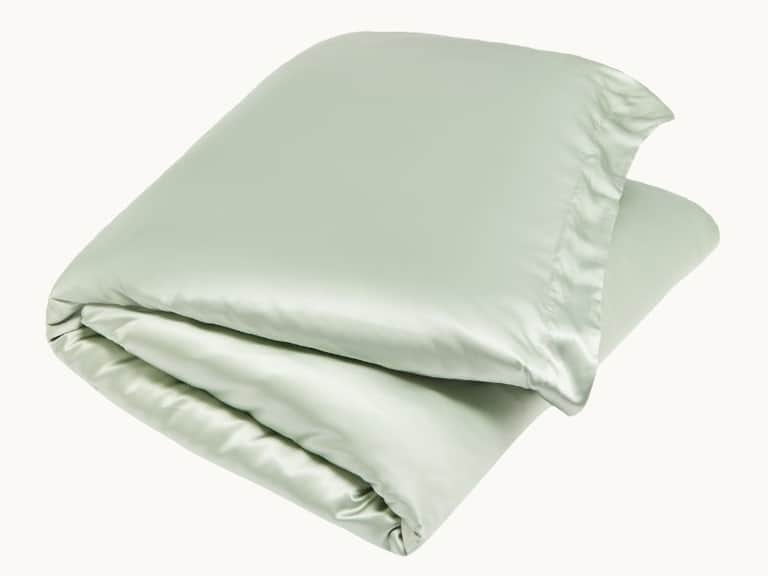
Similarly, a Sage Silk Duvet Cover offers a breathable, temperature-regulating surface with a 19 momme mulberry silk, closed with a button closure. This type of cover can be paired with a silk-filled comforter to maintain a consistent sleep surface across seasons.
Conclusion: embracing silk bedding thoughtfully
Silk bedding sits at a compelling intersection of luxury and practical sleep science. Its capacity to regulate temperature, reduce friction on skin and hair, and offer a breathable, hypoallergenic surface makes it a strong candidate for UK sleepers seeking a high-quality, year-round sleep experience. When chosen with care—taking into account weights, weaves, and shell materials—silk bedding can deliver durable comfort that remains uncluttered by seasonal shifts.
By approaching silk bedding as part of a holistic sleep system—integrating silk-filled comforters, silk shells, lids or covers, and complementary silk accessories—you can craft a refined, comfortable bedroom environment that supports restful nights and a sense of everyday luxury.